The Space Between
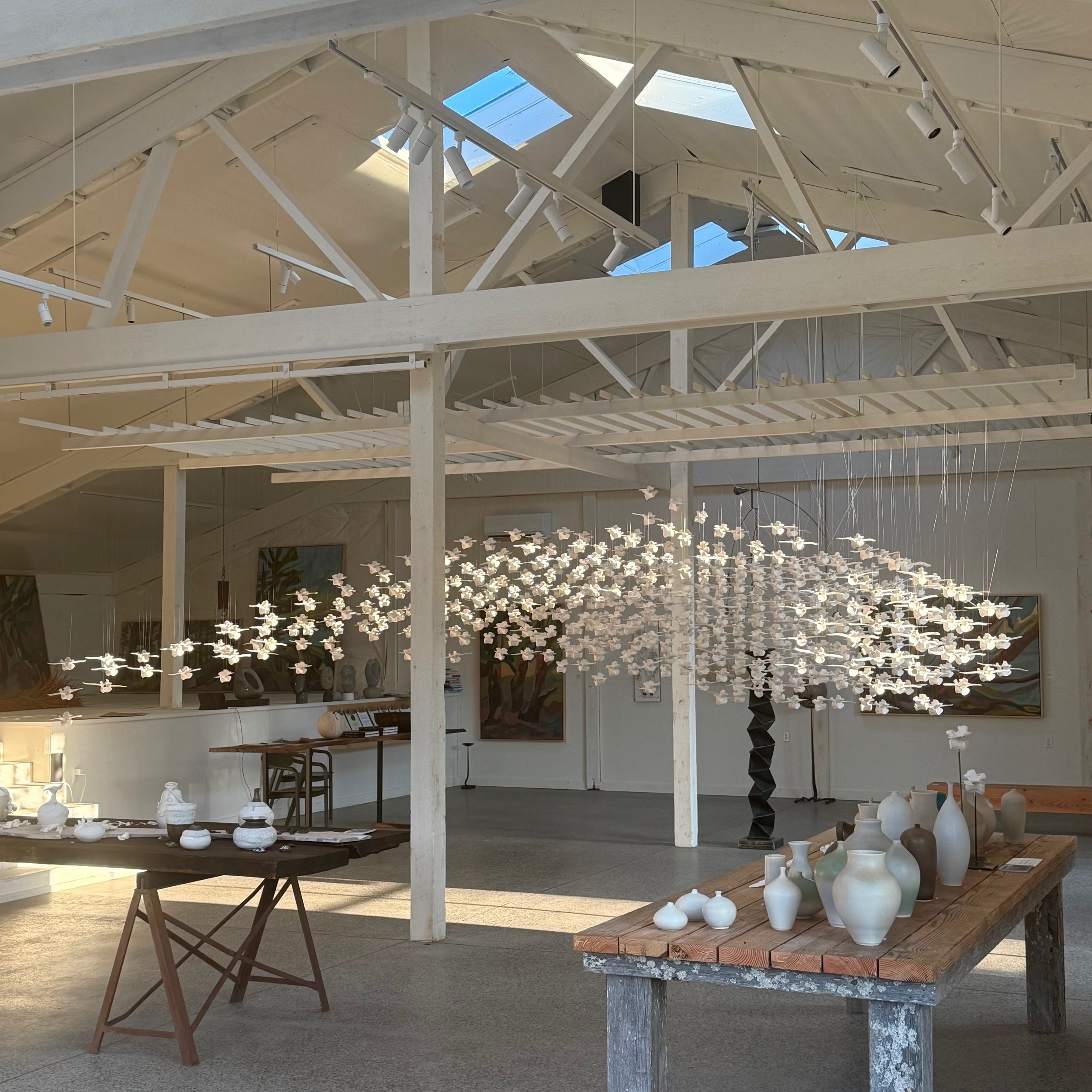
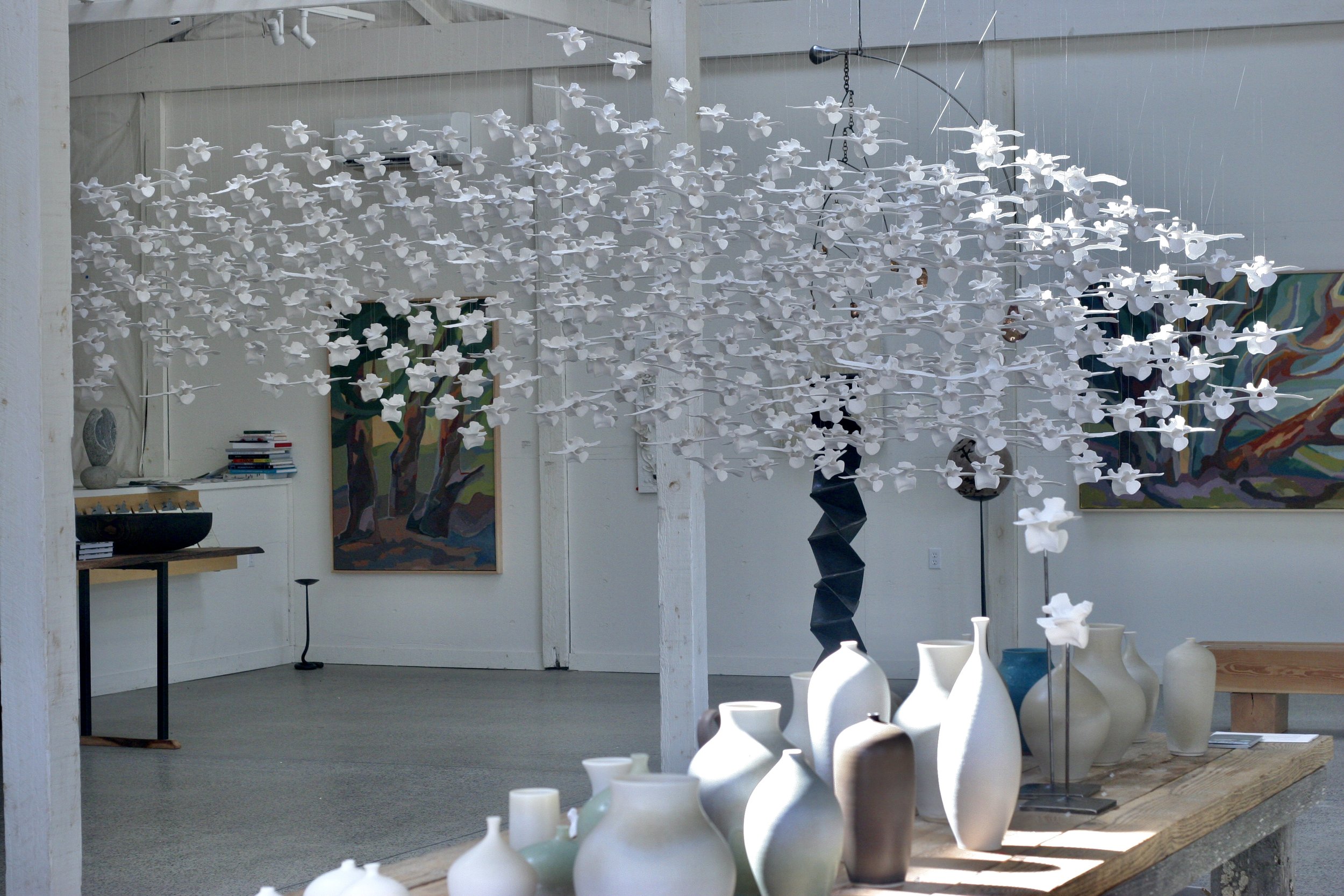
hydrostone plaster replicas of vertebrae exhibit at the Art Barn Gallery Orcas Island, WA July through September 2026
This work is symbolic of the interconnectedness of diverse life forms and humanity’s relationship to the natural world. Blurring the boundaries between sea and sky, weight and freedom, stillness and movement, the suspended bone formation draws attention to the invisible threads that unite all of existence in a delicate balance. It is suggestive of the enduring cycles of life and the inherent duality of existence, representing strength and fragility, order and chaos, the individual and the universal.
The inspiration for this piece began the winter of 2024. I had recently acquired three vertebrae found on a beach in the Salish Sea. At the time, I was in the depths of grief from significant loss, compounded by grief for the pain of the world due to global conflict, environmental destruction, and loss of biodiversity. I would stare at the bones sitting on the window sill and picture them transforming into hundreds of birds, flying together in the sky, morphing and changing into a whale shape as they disappeared into the distance. In their flight, they became united, weightless, fluid and free.
In light of the humanitarian and ecological crises of our time, there is a massive collective grief for what we stand to lose and an urgent need to protect the most vulnerable. It is my hope that this piece finds a home in a public space, where it has the potential to inspire people, to move people, and to remind people of how fragile and interconnected all of life is. There’s a fragility and fundamentality that is impactful; it is at once personal and universal; familiar, yet mysterious.
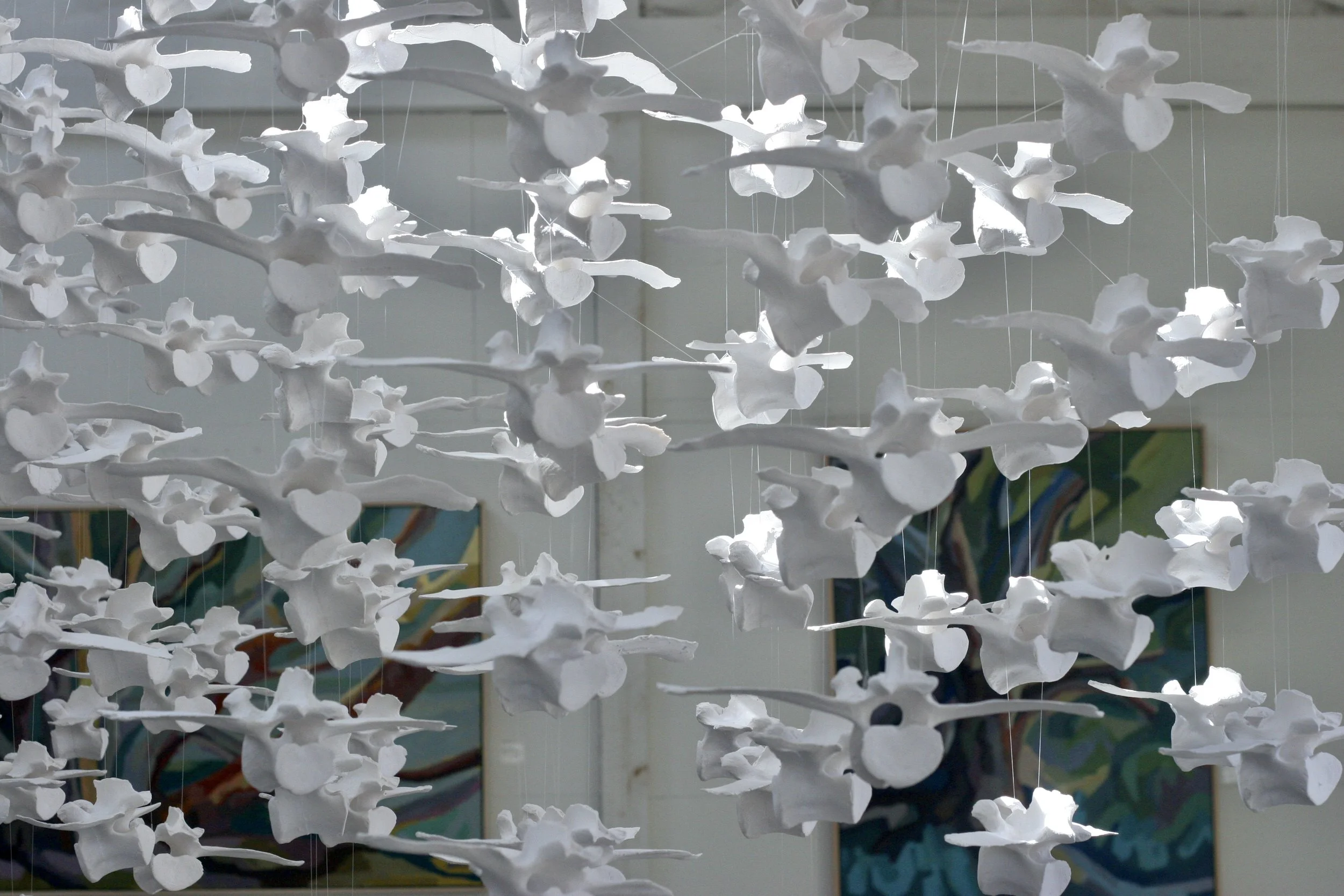
I’ve had several experts identify the original bones to be whale vertebrae, while others claim they are from a horse. I personally find it compelling that it is difficult to tell the difference and prefer to leave this element open to interpretation. The bones are a symbol of universality, rather than individuation. This lack of certainty is part of what makes the piece engaging to the viewer. The bones are representational, and this ambiguity allows space for another dimension of meaning.
Process
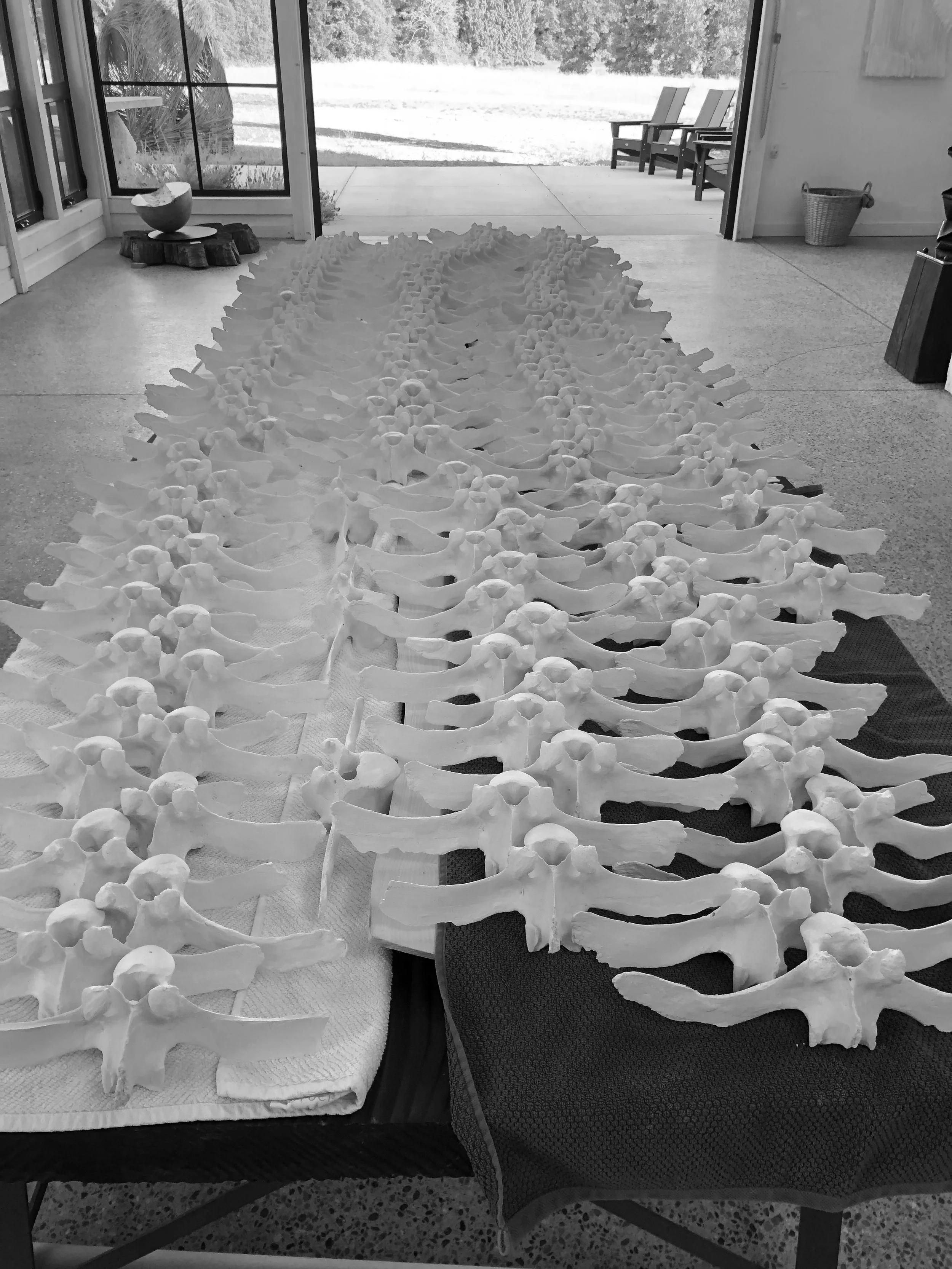
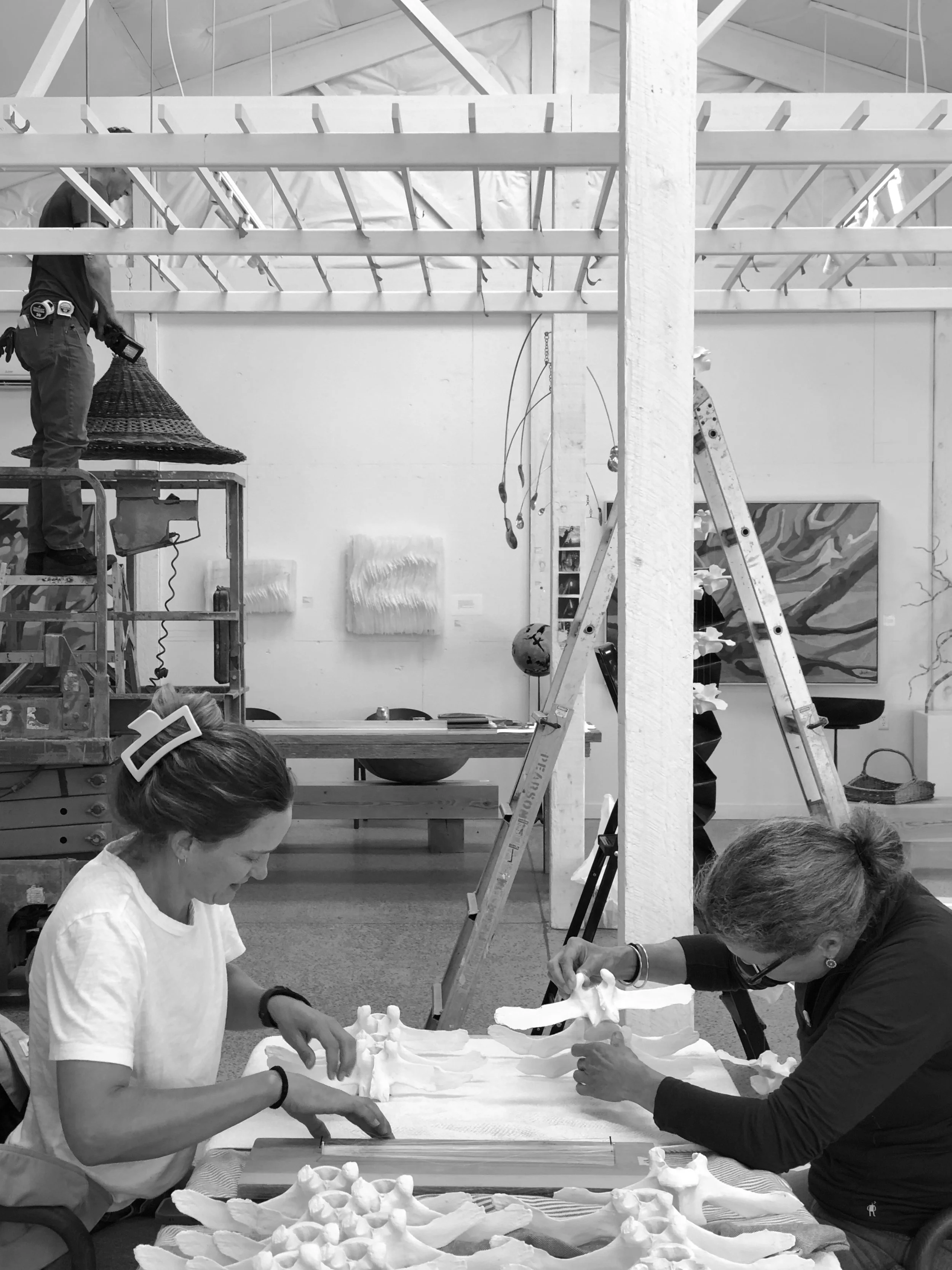
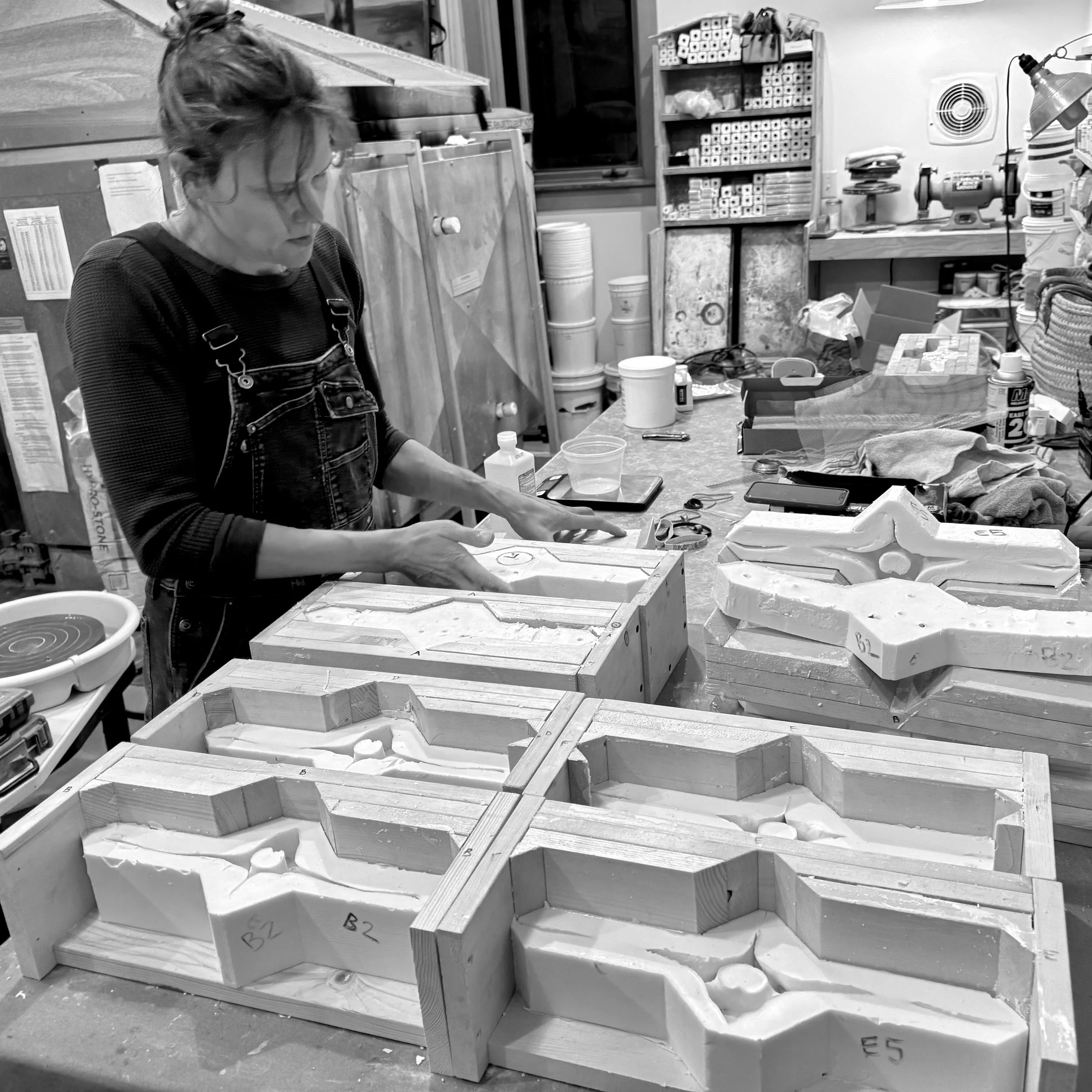
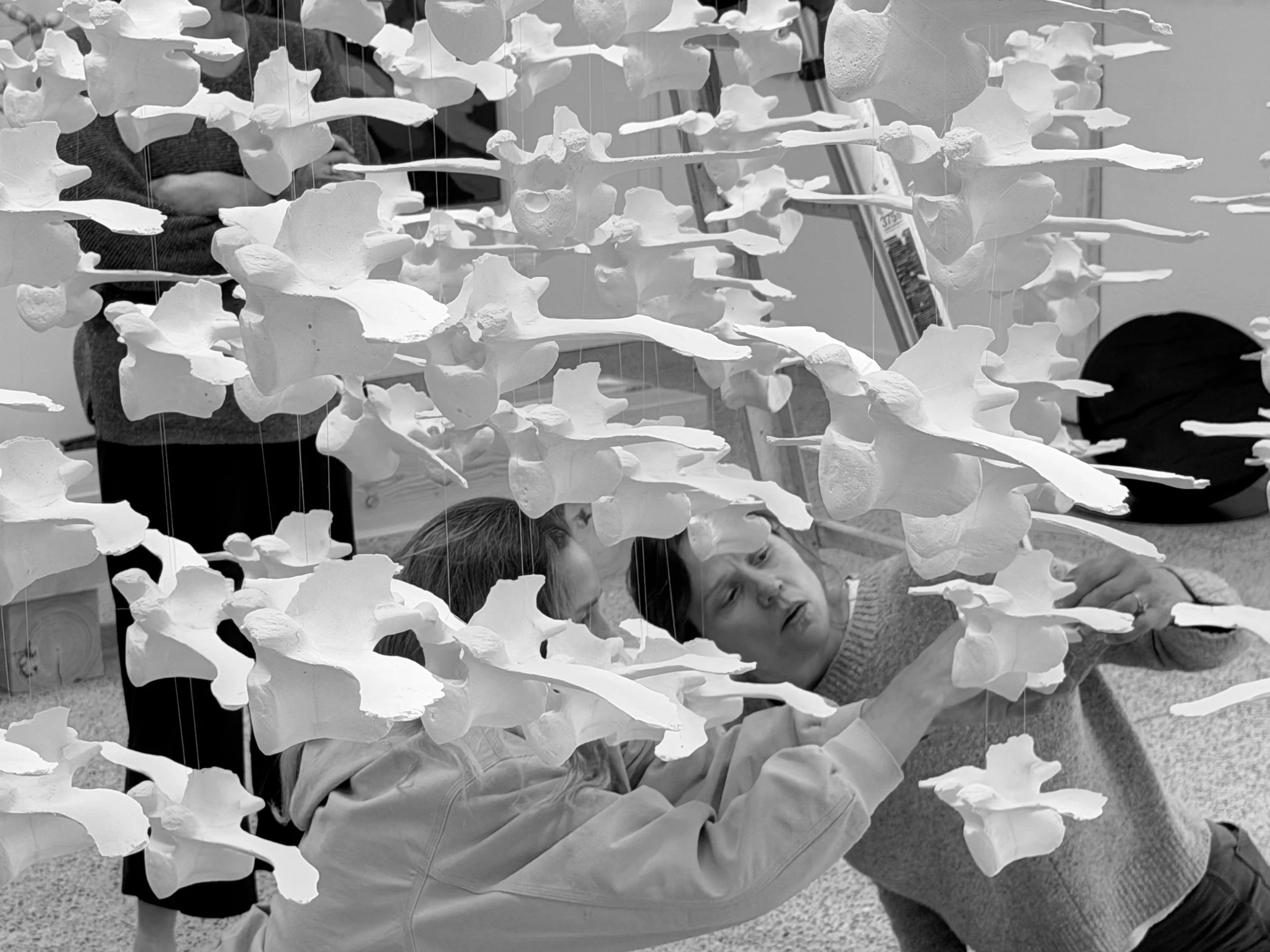
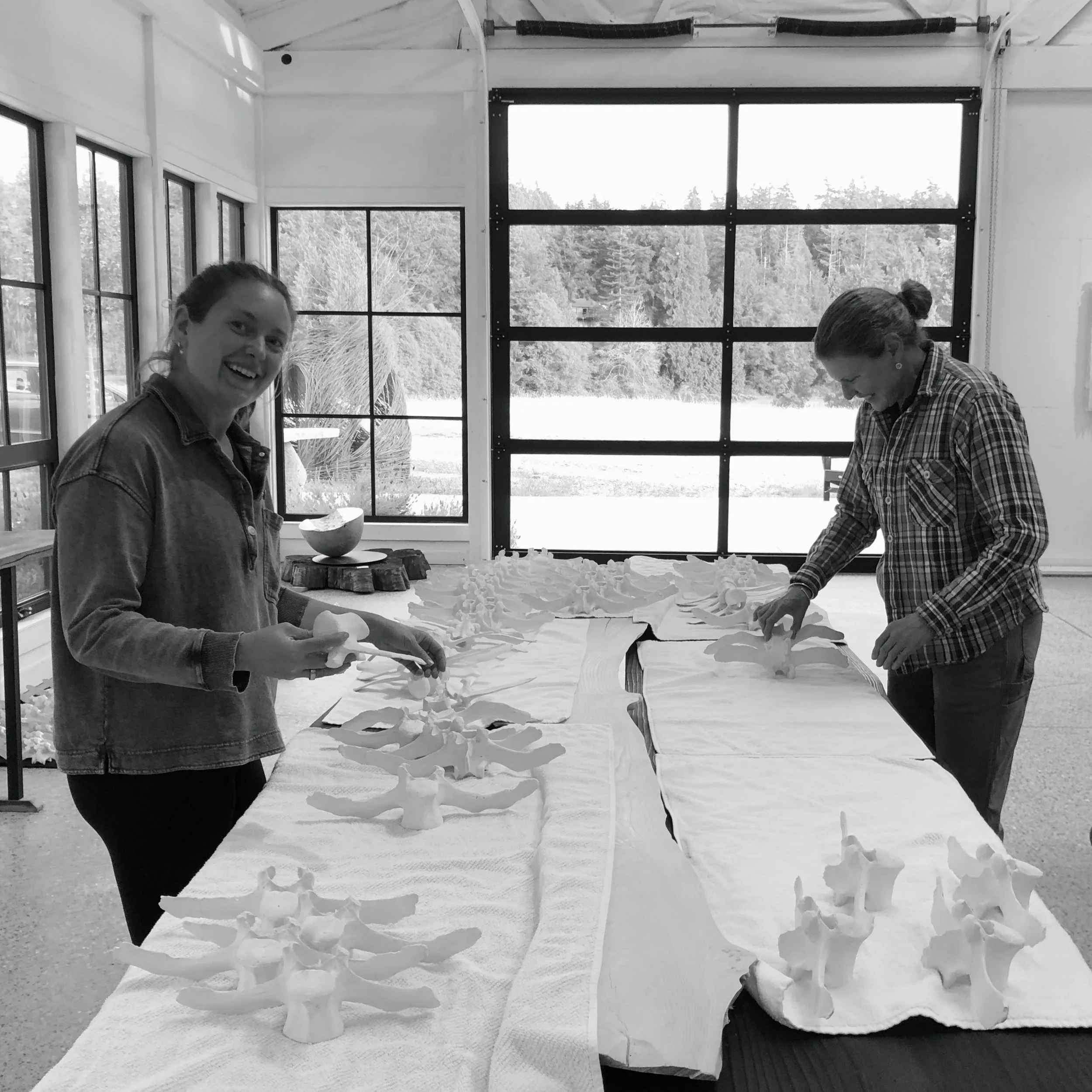
The vertebrae replicas are cast in silicone molds out of hydrostone, an extremely strong and durable plaster cement. This material was chosen for its strength as well as its ability to most accurately replicate the original bones in both size and detail. The wings are reinforced with flexible aluminum mesh for added strength.
Installation
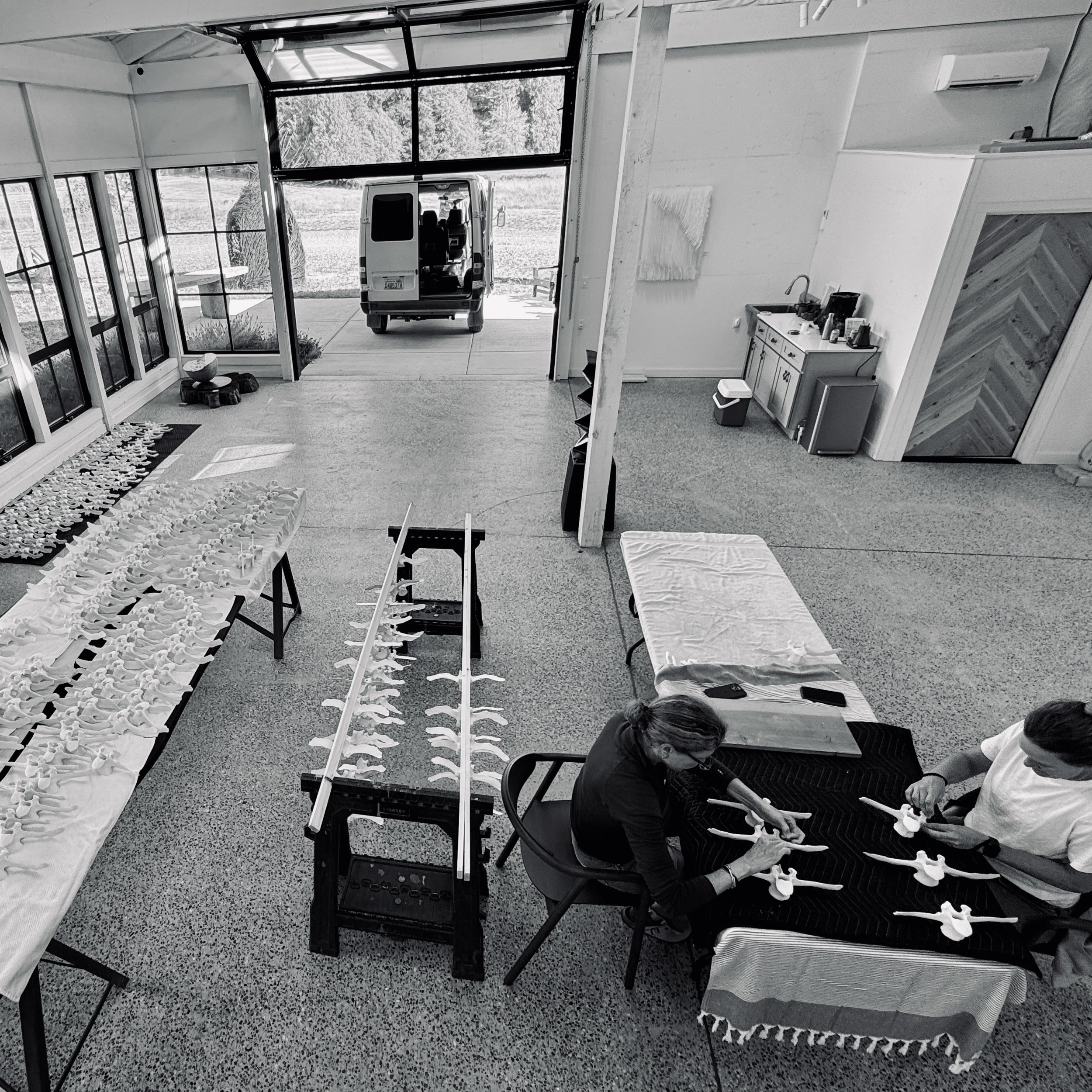
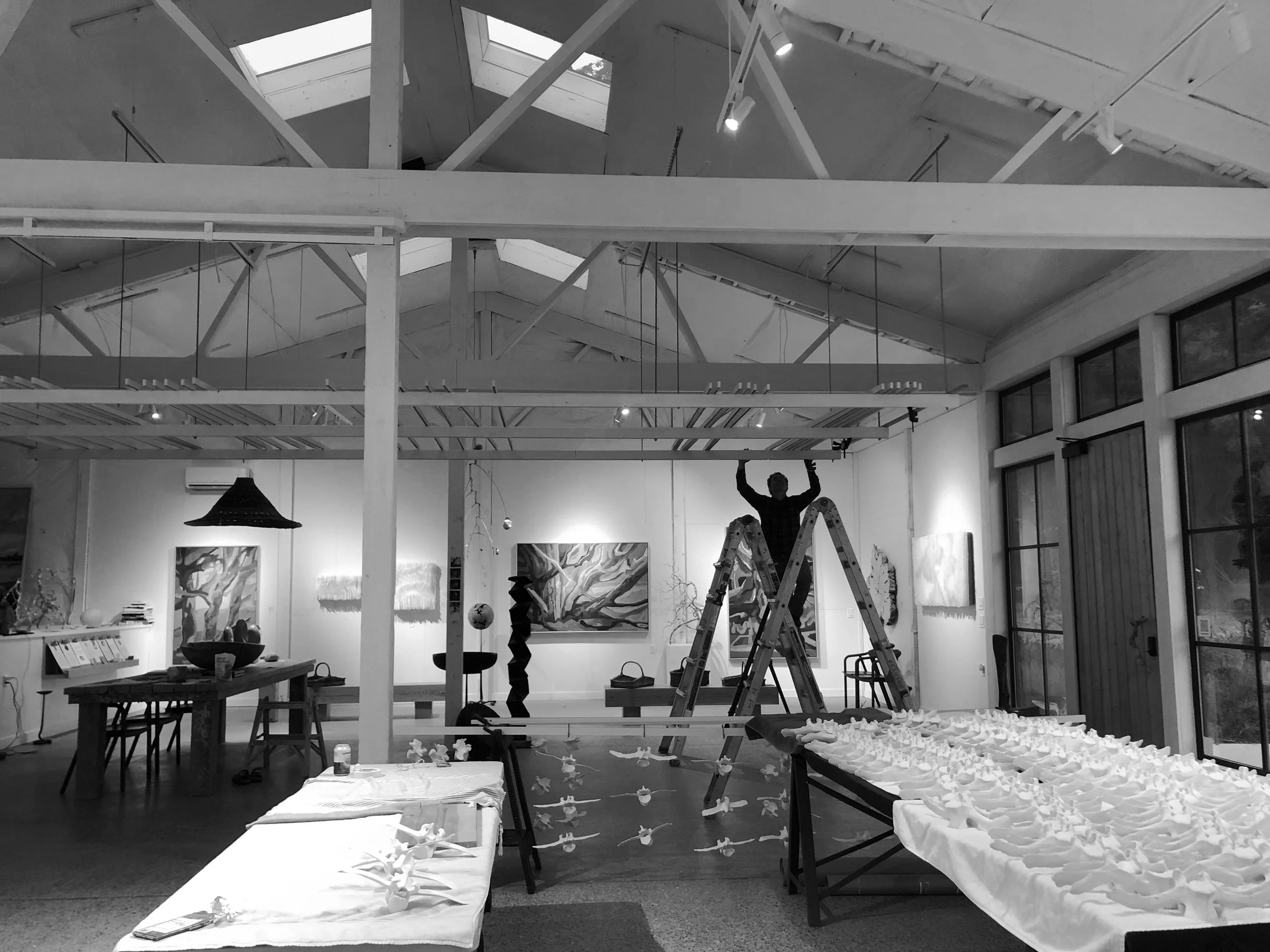
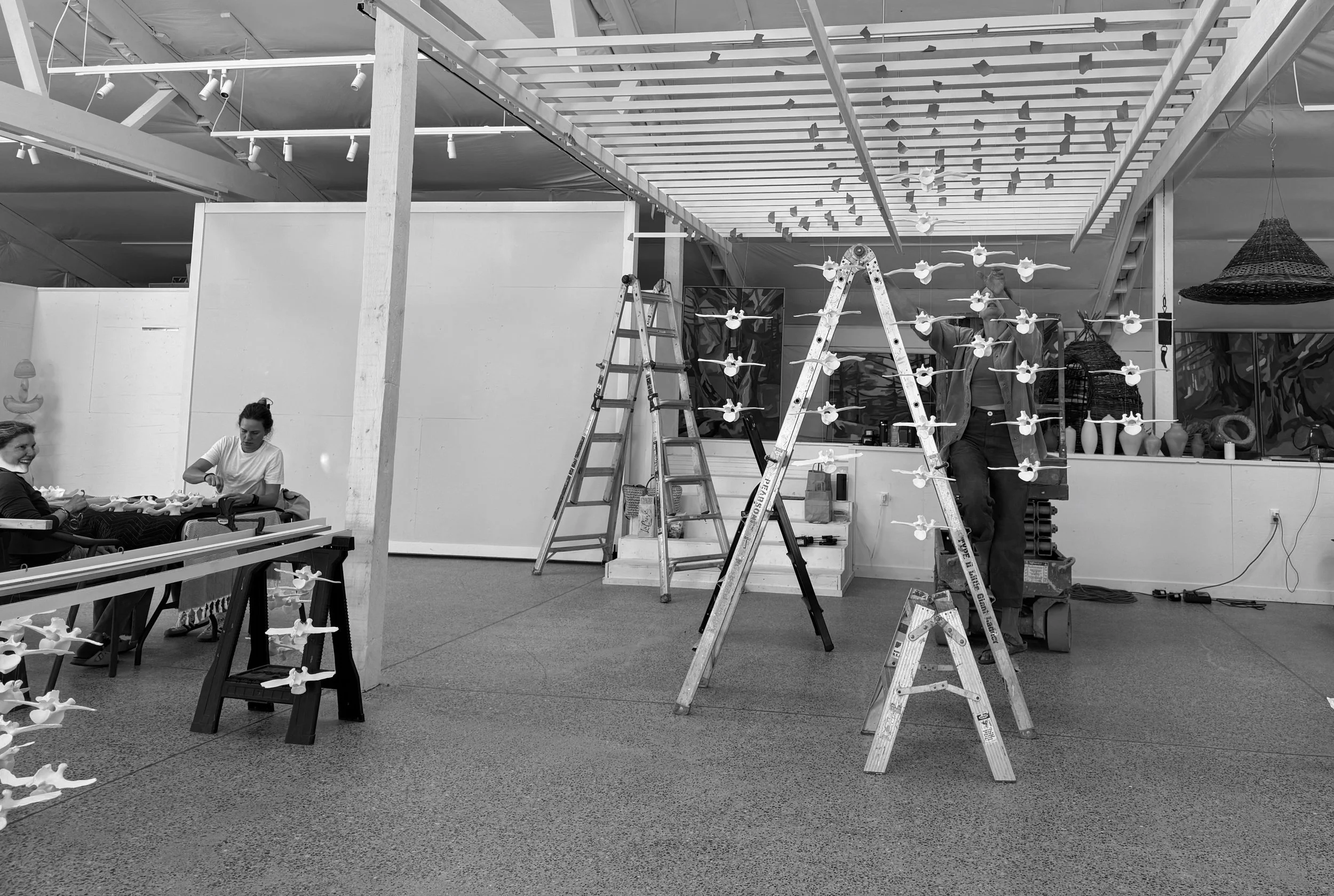
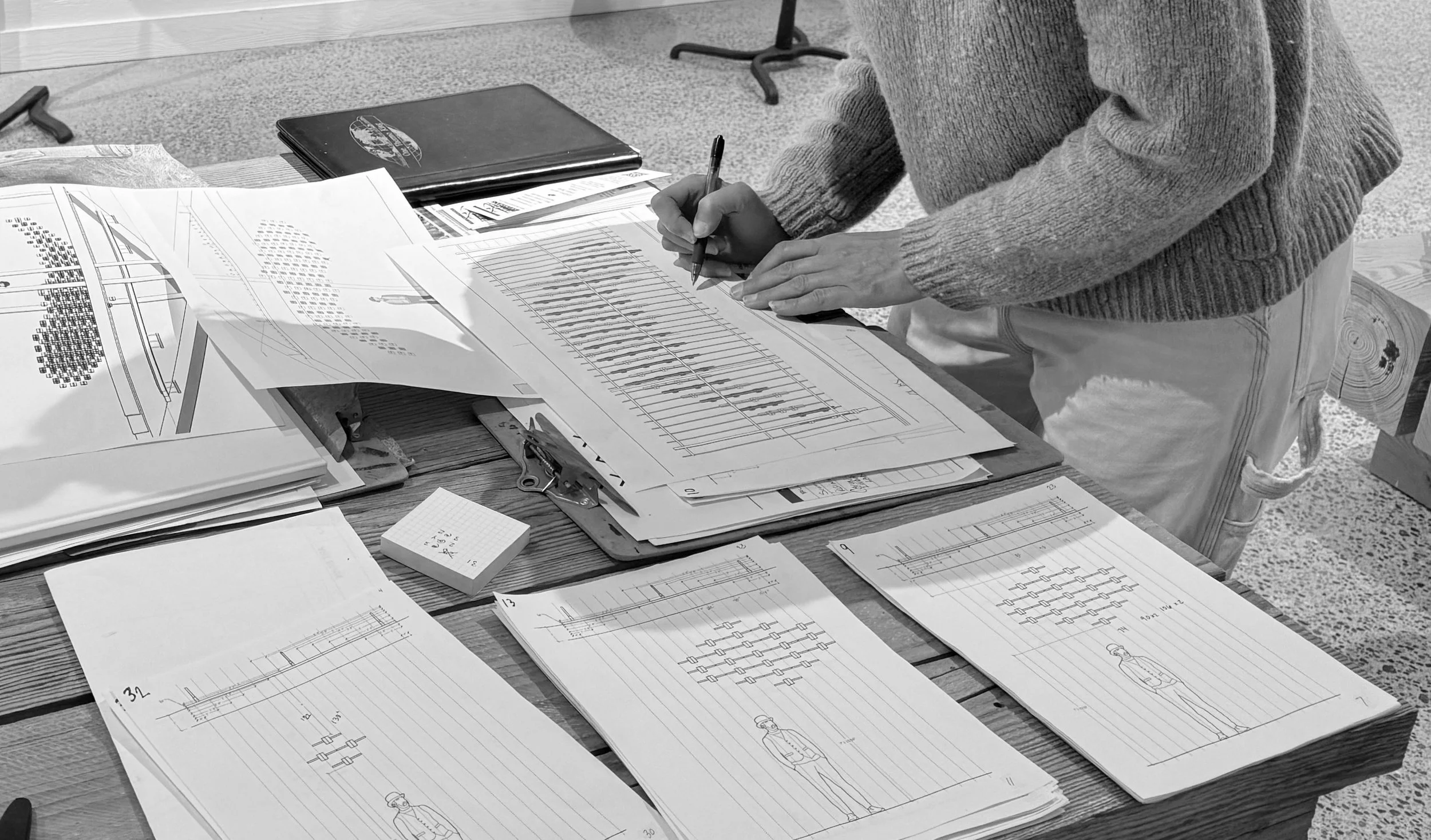
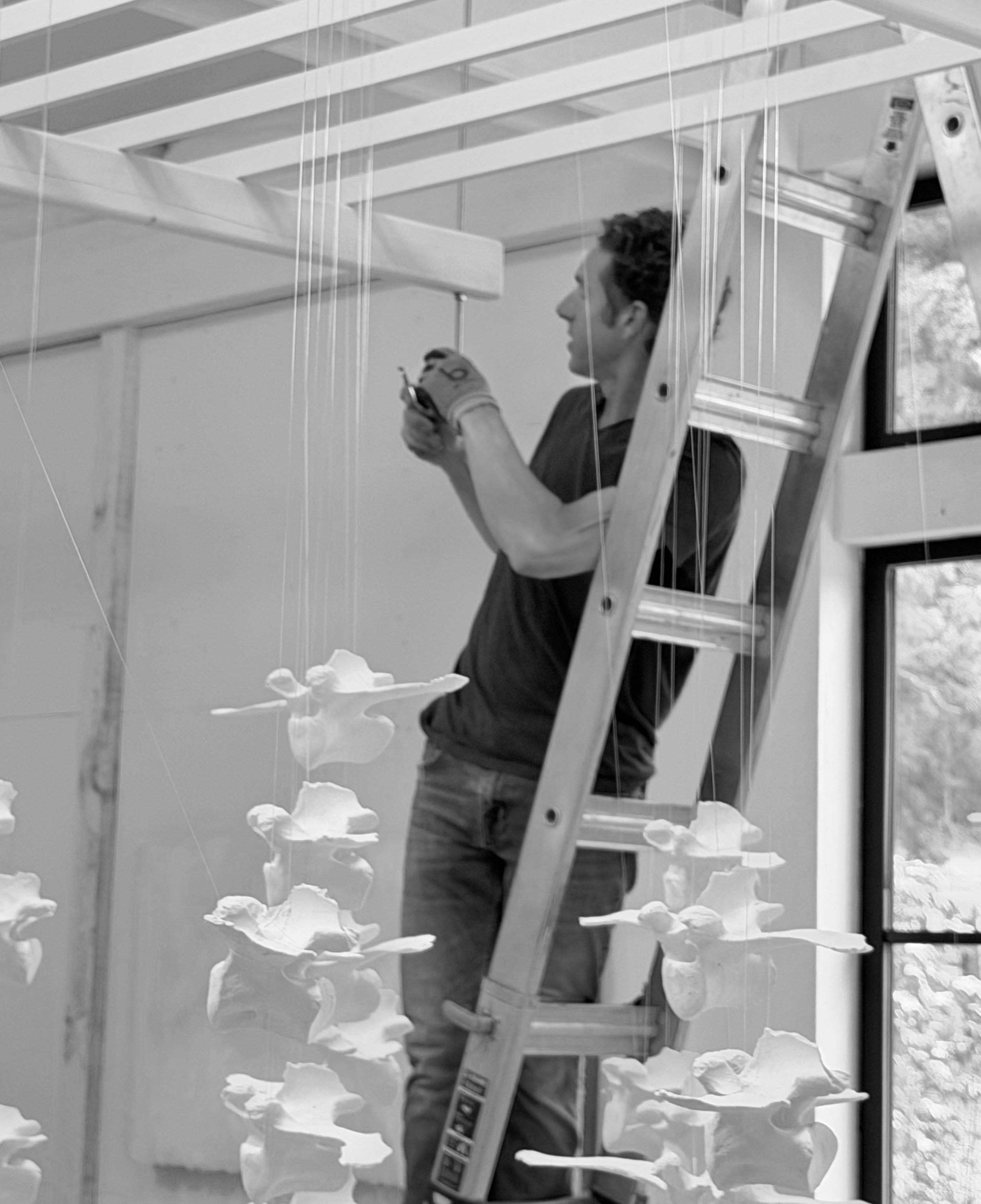
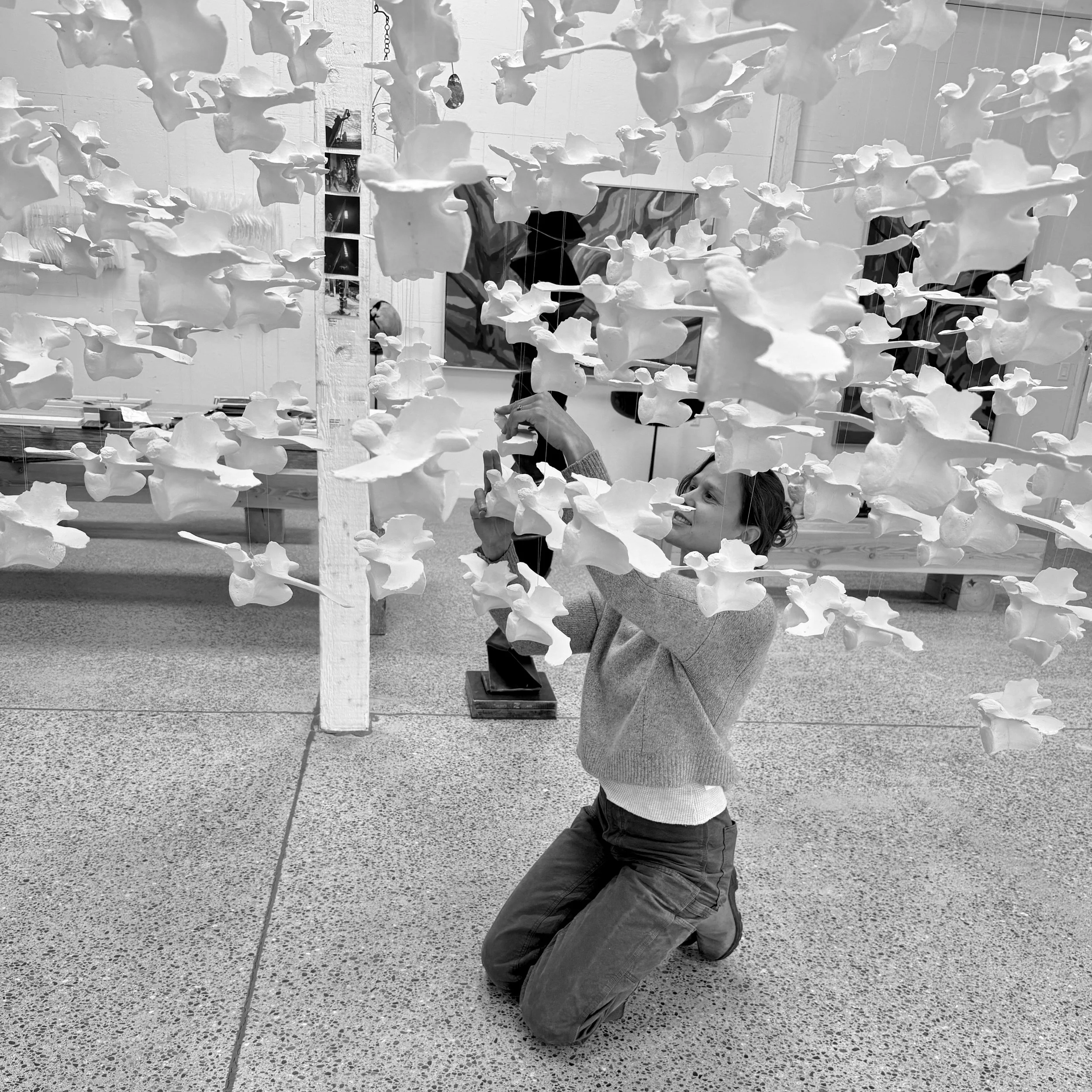
Every aspect of the design and assembly process was carefully planned out before beginning installation. Considerations were made to account for the linear and cumulative weight of the sculpture, as well as site specific environmental factors of the exhibition space, such as wind and sunlight. Original sketches of the design were rendered with a computerized 3-D model, which could then be divided into segments to use as a map for accuracy during the hanging process.
The vertebrae replicas are suspended with 10 - 20 lb clear monofilament line, depending on weight. The material is incredibly strong and abrasive resistant, yet nearly invisible.
The final sculpture consists of 488 vertebrae replicas. It is approximately 25 feet long, 6 feet wide and 7 feet tall, and weighs between 300-350 lbs.
Quisque iaculis facilisis lacinia. Mauris euismod pellentesque tellus sit amet mollis.